How can I improve my photography skills to capture more dynamic shots?
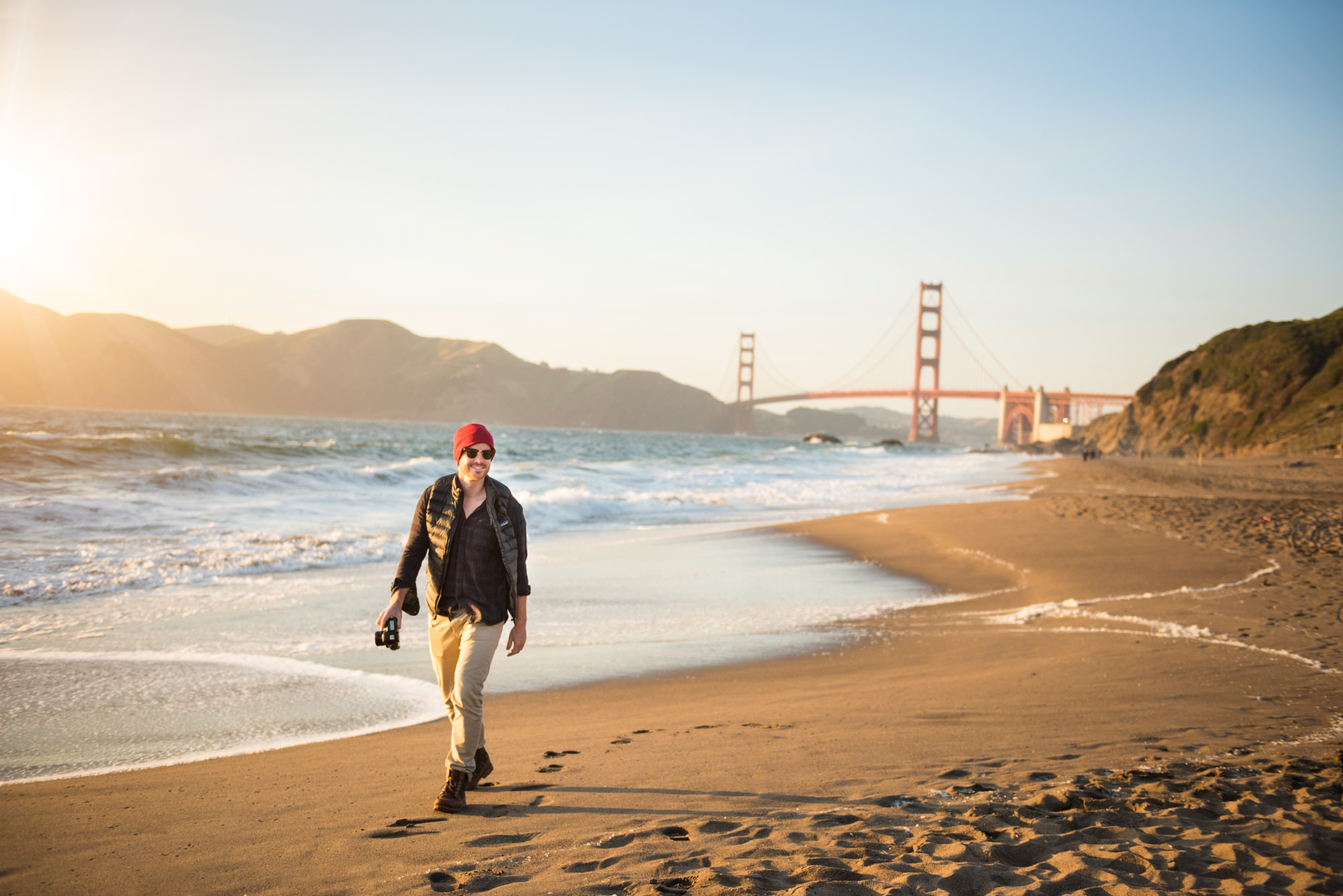
Capturing dynamic shots in photography involves a combination of technical skills, creative vision, and an understanding of how to convey movement and energy within a frame. Here are some tips to help you improve your photography skills and capture more dynamic images:
### 1. **Master Panning Techniques**
Panning is a technique where you move your camera to follow a moving subject, resulting in a sharp subject against a blurred background. Practice this technique to capture dynamic action shots, such as sports or wildlife photography.
### 2. **Use Faster Shutter Speeds**
To freeze motion and capture dynamic moments, use faster shutter speeds. Experiment with different speeds to find the right balance between freezing action and allowing for some motion blur for artistic effect.
### 3. **Experiment with Slow Shutter Speeds**
Conversely, slow shutter speeds can create a sense of movement by blurring parts of the image. This technique, known as long exposure, can be used to capture flowing water, light trails, or moving clouds.
### 4. **Capture the Decisive Moment**
The decisive moment is when all elements of a scene come together to create a compelling image. Anticipate action and be ready to shoot when the peak of the action occurs.
### 5. **Use Burst Mode**
Especially for fast-moving subjects, use burst mode (high-speed continuous shooting) to increase your chances of capturing the perfect moment.
### 6. **Play with Perspectives**
Try different angles and perspectives to add dynamism to your shots. Get low to the ground for a worm’s-eye view or climb high for a bird’s-eye view to change the viewer’s perception.
### 7. **Incorporate Leading Lines**
Leading lines can guide the viewer’s eye through the image and create a sense of depth and movement. Use natural or man-made lines in the environment to direct the viewer’s attention to the subject.
### 8. **Capture Emotion**
Dynamic shots often involve capturing the emotion of the moment. Focus on facial expressions, body language, and the interaction between subjects to convey the energy and mood of the scene.
### 9. **Use Off-Camera Flash**
Off-camera flash can add drama and dimension to your images by creating shadows and highlighting textures. Experiment with different flash positions and angles to enhance the dynamic quality of your shots.
### 10. **Practice Tracking Shots**
Track moving subjects by moving your camera parallel to them. This technique requires practice but can result in dynamic images with a sense of motion.
### 11. **Post-Processing for Dynamic Effects**
Use post-processing to enhance the dynamic qualities of your images. Adjust contrast, saturation, and sharpness to make your shots pop. You can also add motion blur or other effects to emphasize movement.
### 12. **Tell a Story**
Every dynamic shot should tell a story. Consider the narrative you want to convey and compose your shots to communicate that story effectively.
### 13. **Learn from Other Dynamic Photographers**
Study the work of photographers known for dynamic images, such as sports photographers or photojournalists. Analyze their techniques and compositions to learn new approaches.
### 14. **Practice, Practice, Practice**
The more you practice, the better you’ll become at anticipating and capturing dynamic moments. Take your camera out regularly and experiment with different scenarios and subjects.
By implementing these tips, you can develop your photography skills to capture more dynamic and engaging images that convey movement, energy, and emotion. Remember, dynamic photography is about capturing the essence of a moment in a way that makes the viewer feel like they’re part of the action.



Post Comment