Artistic Light and Shadow: The Aesthetic Code in Photography

**Artistic Light and Shadow: The Aesthetic Code in Photography**
Photography is an art form where light and shadow play a symphony, creating a visual narrative that transcends the ordinary. The interplay of these two elements is not just about capturing an image; it’s about telling a story, evoking emotions, and revealing the essence of a moment. In this blog post, we’ll explore the aesthetic code of light and shadow in photography and how mastering it can elevate your visual storytelling to new heights.
### The Power of Light
Light is the sculptor of photography, shaping the subject, defining the mood, and guiding the viewer’s eye. It’s the lifeblood of any photograph, and understanding how to work with it can transform your images.
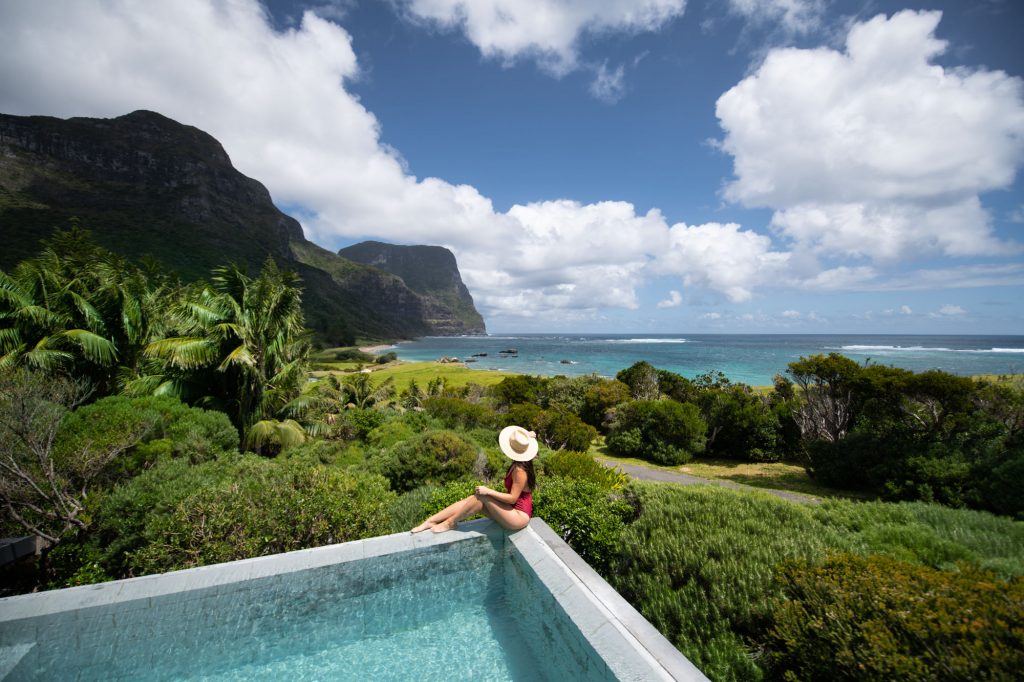
1. **Quality of Light**: The quality of light changes throughout the day, affecting the mood and texture of your images. Soft, diffused light during the golden hour can add a warm, magical glow, while the harsh light at midday can create strong contrasts and deep shadows。
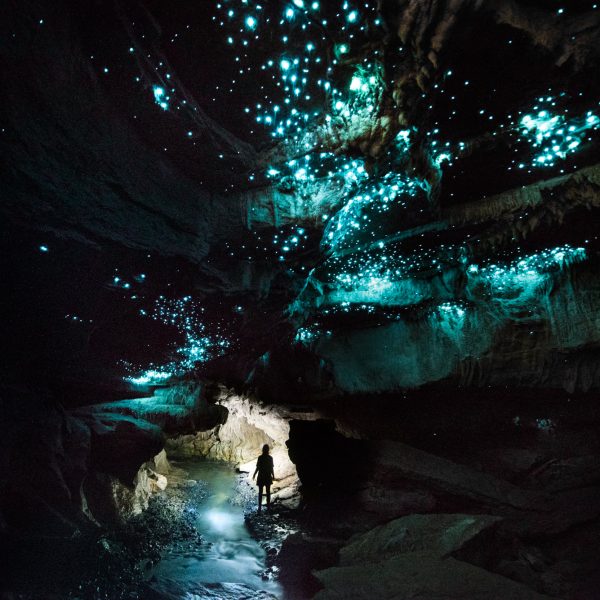
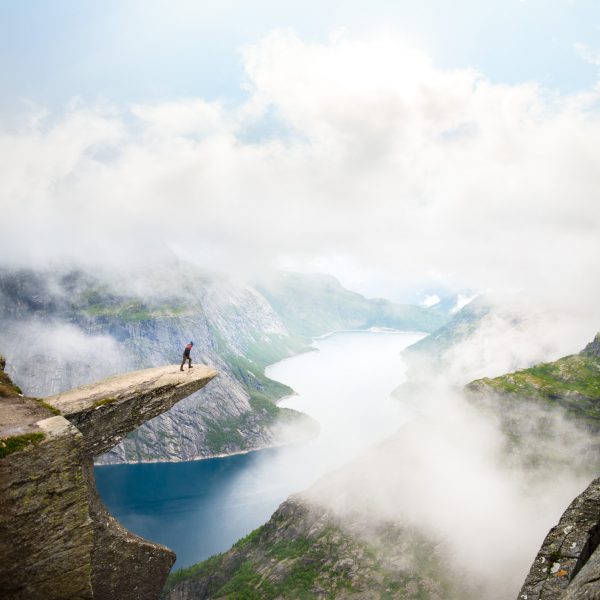
2. **Direction of Light**: The direction from which light hits your subject can dramatically change the look of your photos. Side lighting can bring out texture and depth, while backlighting can create silhouettes and a dramatic effect.
3. **Artificial Light**: Don’t discount artificial light; it can be manipulated to create unique effects, from the vibrant colors of city lights to the focused beam of a studio strobe.
### The Role of Shadow
Shadows are the unsung heroes of photography, adding depth, contrast, and mystery to your images.
1. **Depth and Dimension**: Shadows can give a two-dimensional image a three-dimensional feel, providing context and enhancing the viewer’s perception of space.
2. **Mood and Atmosphere**: Shadows can set the mood of an image, from the playful dance of light and shadow in a dappled forest to the ominous darkness of a stormy sky.
3. **Leading Lines and Shapes**: Shadows can create leading lines and shapes that draw the viewer’s eye through the image, adding a dynamic element to your composition.
### Mastering Chiaroscuro
Chiaroscuro, the contrast between light and dark, is a technique used by masters like Caravaggio and Rembrandt to create dramatic and emotive artwork. In photography, it can be your secret weapon:
1. **High Contrast**: Embrace the high contrast between light and shadow to create striking images that pop with drama and intensity.
2. **Visual Balance**: Use chiaroscuro to balance your composition, placing light and shadow in a way that guides the viewer’s eye through the frame.
3. **Emotional Impact**: The interplay of light and shadow can evoke strong emotions, from the joy of a sunlit scene to the solemnity of a shadow-filled interior.
### Practical Tips for Capturing Light and Shadow
1. **Experiment with Times of Day**: Shoot at different times to capture the varying qualities of natural light. Early morning and late afternoon offer soft light, while midday provides high contrast。
2. **Use Reflectors**: Use reflectors to bounce light onto your subject, filling in shadows and brightening your image.
3. **Play with Artificial Light**: Experiment with different artificial light sources, such as lamps or flash, to create unique lighting effects.
4. **Post-Processing**: Enhance the contrast and adjust the tones in post-processing to bring out the best in your light and shadow play.

The aesthetic code in photography lies in the artistic use of light and shadow. By understanding and mastering these elements, you can unlock a world of creative possibilities and take your photography from ordinary to extraordinary. So, the next time you pick up your camera, let the interplay of light and shadow be your guide, and embark on a journey to capture the unseen beauty that awaits in every scene. Remember, it’s not just about the camera; it’s about the eye behind it and the story you want to tell.

Post Comment